
Quick answer: Indica and sativa were originally terms for how a cannabis plant grows, not how it makes you feel. Most cannabis sold today is a hybrid of the two. Effects depend more on a product’s terpene profile and cannabinoid ratio than on whether it’s labeled indica, sativa, or hybrid.
Walk into pretty much any retailer and you’ll see the same three words on every menu: indica, sativa, hybrid. Budtenders lean on them, packaging is built around them, and most people assume they’re a decent shortcut for predicting how a product will feel. They’re not, really, or at least not in the way most people think.
This blog gets into where the indica vs. sativa vs. hybrid system actually came from, what it can tell you, and what tends to matter a lot more once you dig past the label. If you’re brand new to all this, our guide on everything a new cannabis user should know is a good place to start first.
Key Takeaways
- Indica and sativa were originally about plant shape, not how a product makes you feel.
- Almost everything on shelves today is a hybrid. A “pure” indica or sativa is rare.
- Cannabis terpenes and cannabinoid ratios tend to predict the experience better than the indica/sativa/hybrid label does.
- Your own past experience is often more useful than any label.
- Ask a Fire Station budtender if you want help matching a product to how you actually want to feel.
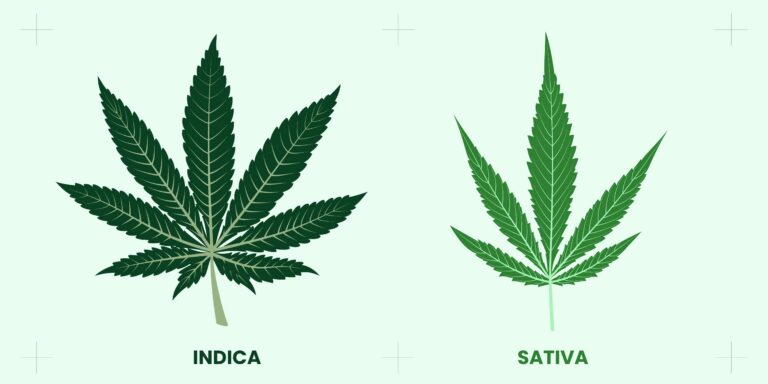
What Is the Difference Between Indica & Sativa?
Indica and sativa started as botanical terms describing how the plant grows, not what it does to you. Sativa plants tend to grow tall and lanky with narrow leaves. Indica plants stay shorter and bushier, with broader leaves. That was the whole point of the terms originally.
Somewhere along the way, especially as cannabis culture took shape in the U.S., these growth-pattern labels got reassigned to effects. Sativa became “energizing.” Indica became “relaxing.” The association never really had strong science behind it, but it stuck, and it’s still how most menus are organized.
What Is a Hybrid Strain?
A hybrid strain is a cross between indica and sativa genetics, and at this point, that’s most of what’s actually available. Decades of breeding mean a strain labeled “sativa-dominant” might genetically have more in common with an indica than you’d guess.
A 2021 study published in the Journal of Cannabis Research looked into this directly and found the indica/sativa split doesn’t reliably predict a strain’s chemical makeup or its effects. Two products both labeled “indica” can test completely differently and feel completely different.
None of that makes the labels useless exactly. They’re still fine shorthand for lineage or how a plant grows. Just don’t expect them to guarantee anything about how you’ll feel.
Do Terpenes Matter More Than Indica vs. Sativa?
For most people, yes. Terpenes and cannabinoid ratios tend to line up with the actual experience better than the indica/sativa/hybrid label does.
Terpenes. These are the aromatic compounds behind a strain’s smell and flavor. Myrcene tends to show up in strains people describe as relaxing. Limonene shows up more in the brighter, energized ones. If a product lists its terpene profile, that’s usually worth more than the category it’s filed under.
Cannabinoid ratio. THC percentage gets all the attention, but the ratio of THC to other cannabinoids, like CBD or CBN, shapes things too. A product with some CBD mixed in can feel noticeably different from a THC-only product at the exact same THC percentage.
Your own body chemistry. Tolerance, metabolism, and mood going in all play a role. What relaxes one person might energize someone else, regardless of what the package says.
How Should You Actually Use the Indica/Sativa/Hybrid Label?
Use it as a starting point, not the answer. A few things that help:
- Check the terpene profile if it’s listed
- Ask your budtender what a product actually tends to feel like for other people
- Pay attention to what’s worked for you before, since that’s usually your best data point
- Don’t assume “indica” or “sativa” guarantees a specific effect
Our Blog covers more of the basics if you want to go deeper.
FAQ
What is the difference between indica and sativa?
Originally, just plant shape. Indica grows short and bushy, sativa grows tall with narrower leaves. Over time, people started associating indica with relaxation and sativa with energy, but that link isn’t well supported by research.
Is indica always more relaxing than sativa?
Not really. Indica strains get that reputation, but the terpene and cannabinoid profile usually matters more than the label.
What does hybrid mean in cannabis?
A hybrid is a cross between indica and sativa genetics. It’s less a special third category and more just what most cannabis actually is at this point.
What should I look at instead of the indica/sativa label?
Terpene profile, cannabinoid ratio (like THC-to-CBD), and honestly, your own track record with similar products. We also have content that dives deeper into “minor cannabinoids explained” on our blog.
Do indica and sativa affect THC potency?
No. THC percentage is independent of whether a strain is labeled indica, sativa, or hybrid. Potency depends on the specific plant and how it was grown, not its category.
How can The Fire Station help me choose a product?
Ask a budtender. We can walk you through terpenes and cannabinoid content and help you find something based on how you actually want to feel.
Find the Right Product at The Fire Station
Skip the guesswork. Stop by The Fire Station Cannabis Co. and let our team walk you through what’s actually in your product, terpenes, cannabinoid ratios, all of it, so you find something that fits how you want to feel.
Whether you’re stocking up on flower to keep fresh at home, carts, pre-rolls, or edibles, we’re here to help Upper Peninsula locals and visitors alike find their fit.
DISCLAIMER: The contents of this blog are intended for informational purposes only. Always seek the advice of a physician or other qualified healthcare provider with any questions you may have regarding a medical condition.
